


 High Back
 Medium Back
 Lower Back
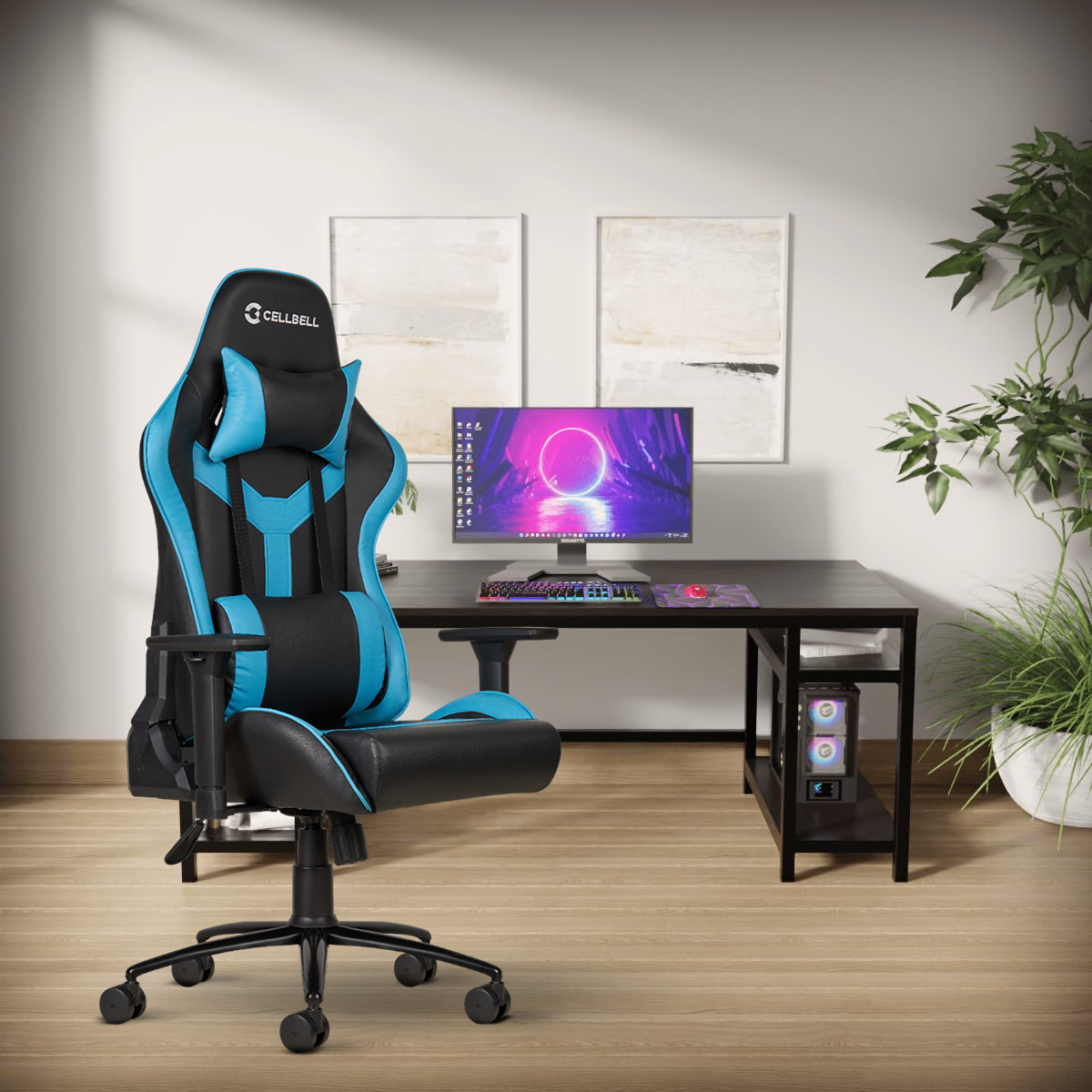 Gaming chairs
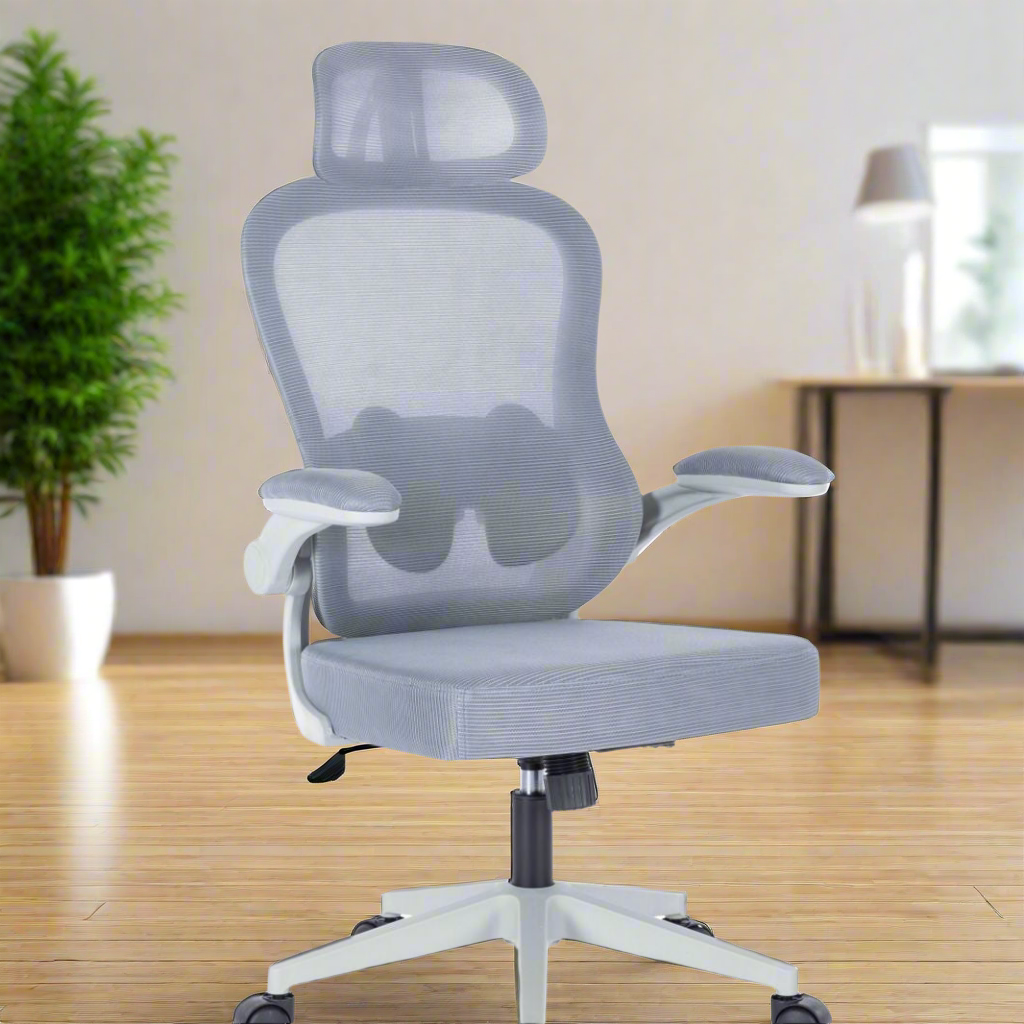 Signature chairs
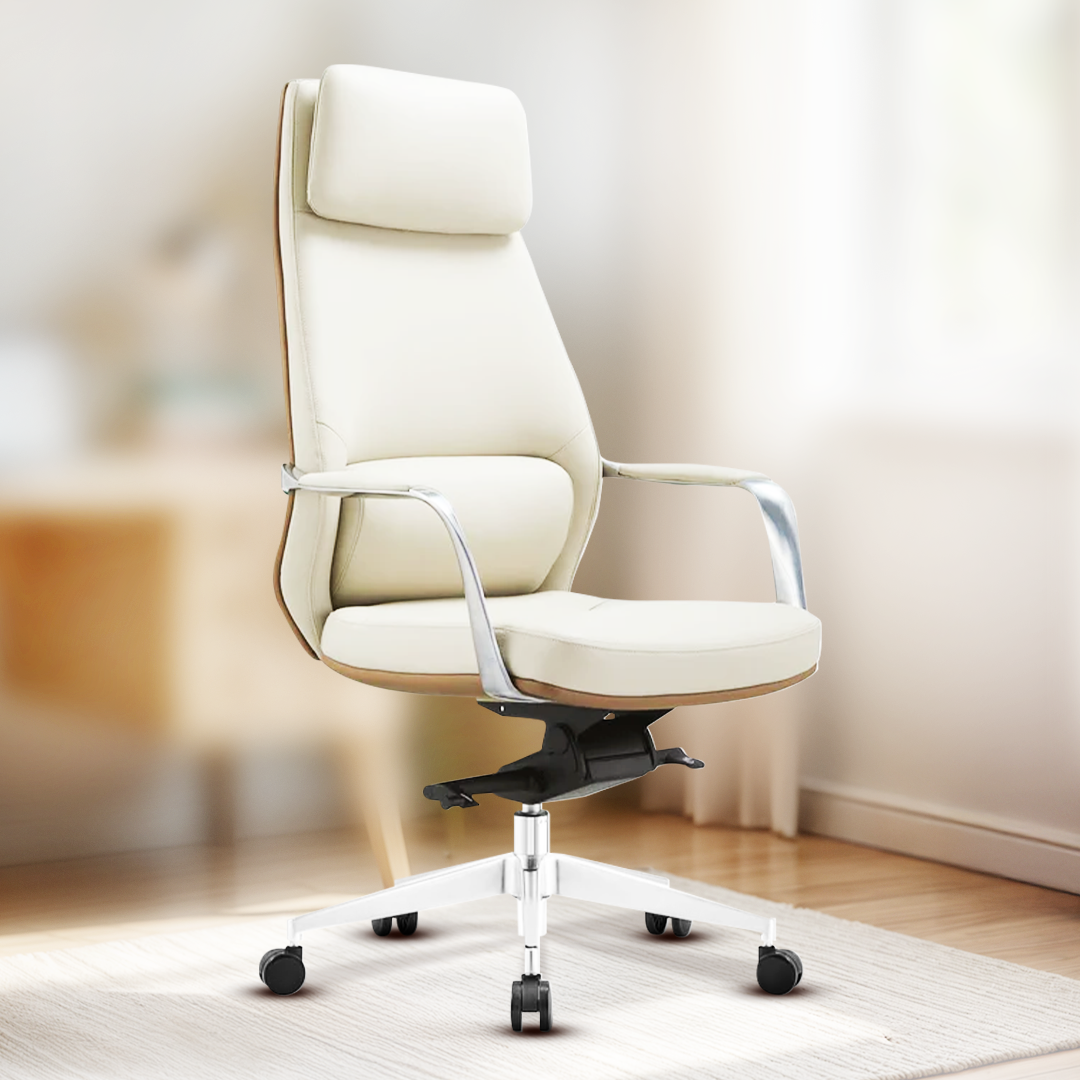 Executive Chairs
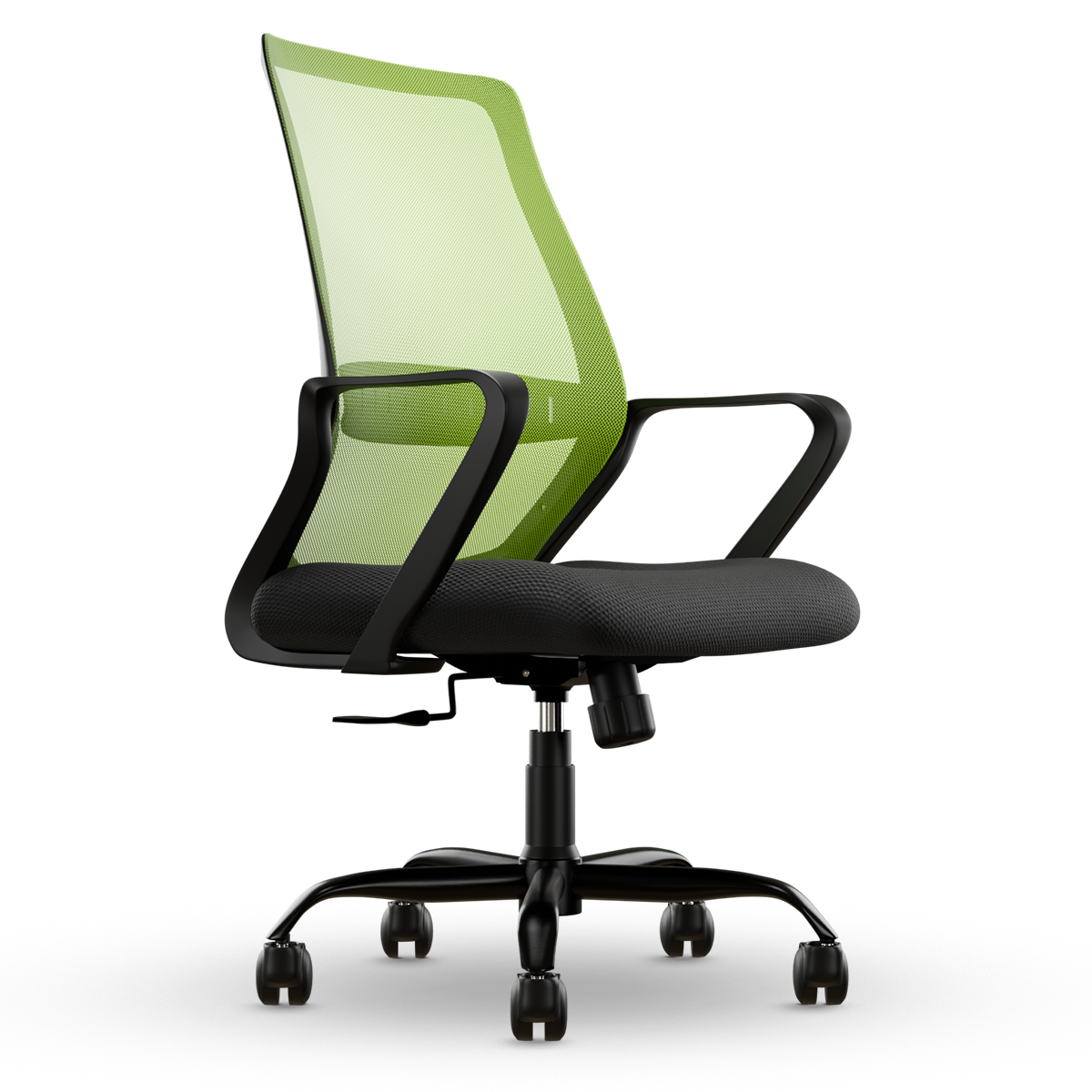 Basic Chairs
 Luxury Chairs
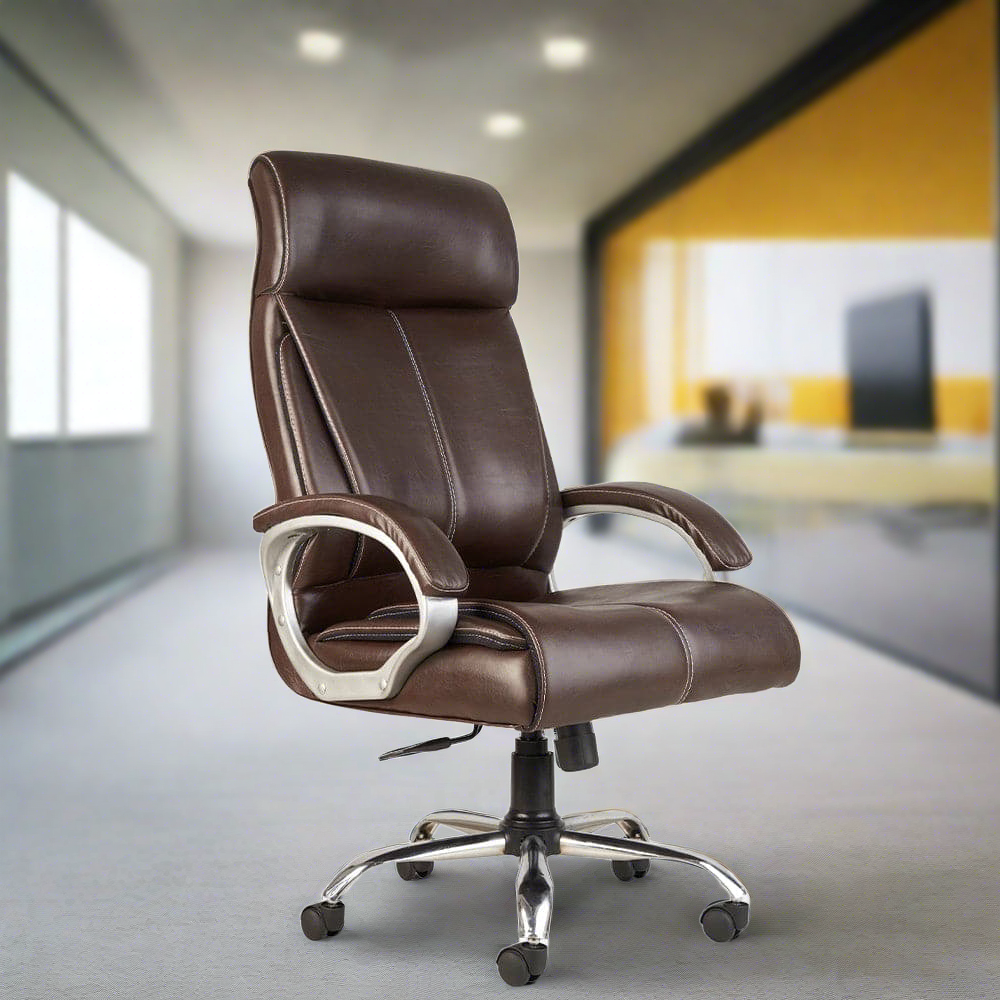 Boss Chairs
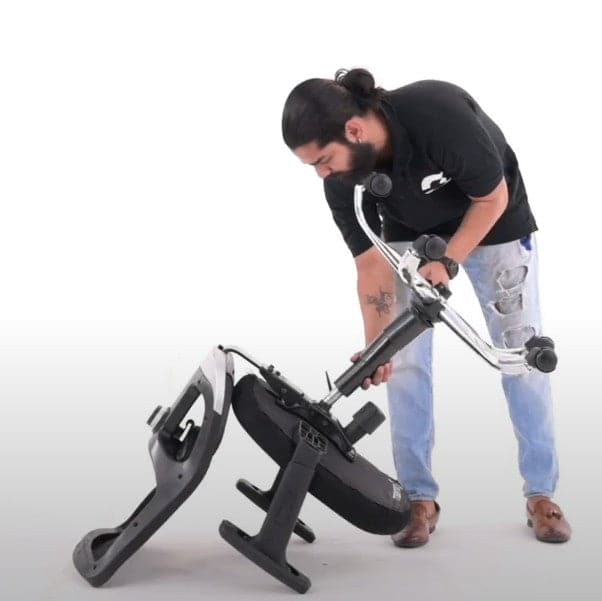 Services
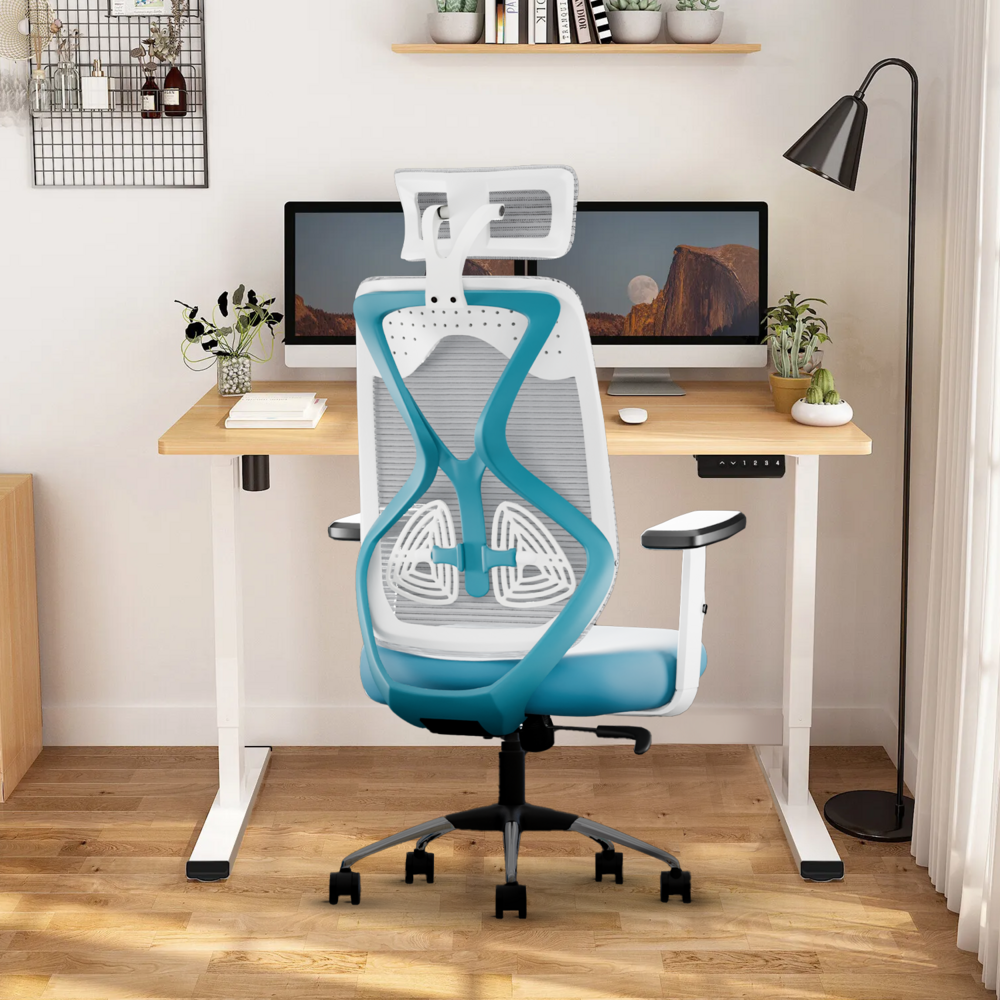 Pro Seating


 Singham Again
 Shark Tank India


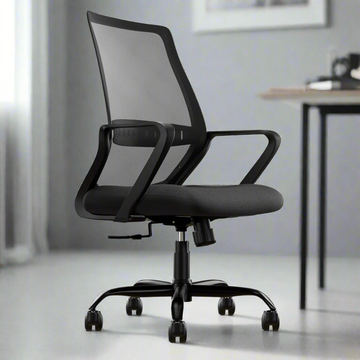
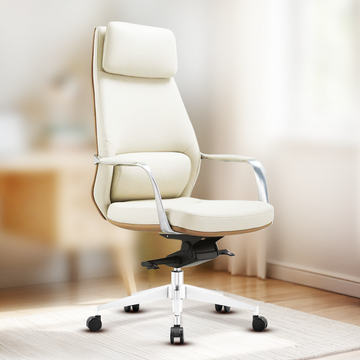

![(Copy) Benz Luxury Chair [Grey] FCC](http://cellbell.in/cdn/shop/files/background-editor_output_2d3e3204-9a7b-459b-9991-7a12e6b3f93d.png?v=1756020781&width=360)
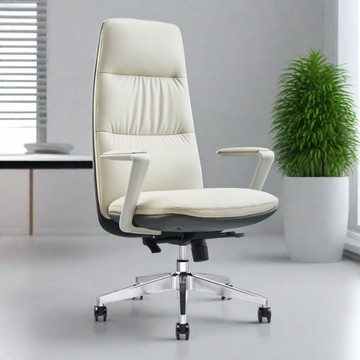
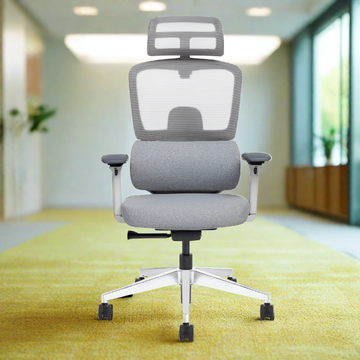


 Wrong Chair Game
 Gaming Cafe ROI


We Didn't Start With Chairs
The story of how a part-time experiment selling bags eventually became Cellbell.
If you look at Cellbell today, you might assume we always wanted to build a furniture company.
We didn't.
We started with bags.
And before we figured out chairs, we spent years figuring out everything that could go wrong with an online business.
That, in hindsight, may have been the most valuable part of the journey.
2012: It started with a backpack
In 2012, Pawan started his first online business with Chirag who was still in college , BAGTAG.in, while working his first corporate job.
It was never meant to be a full-time business in the beginning.
It was a part-time experiment.
Within six months of joining his job, Pawan was spending his nights working on the business — often from around 10 PM to 1 AM — and then waking up early to fulfil orders before leaving for work.
The idea was simple: source local and imported bags and sell them online in India.
There was no office.
No team.
No certainty that it would become anything.
Just a job during the day and a small online business being built at night.
For a while, that was enough.
But eventually, we discovered the first difficult truth about online commerce.
People don't buy bags frequently enough.
Building a standalone website requires traffic. Traffic requires marketing. Marketing requires money.
And when the same customer may buy a bag only once in a long while, the economics become difficult.
So the bag business eventually stopped.
At the time, it felt like we had abandoned a business.
Looking back, it was our first lesson:
A product can be good and still be a bad business.
We didn't know it then, but we would keep learning this lesson for years.
November 2014: The side business became a decision
By late 2014, something had changed.
The experiments were beginning to look less like experiments.
Pawan had been working in the corporate world for about three years.
Chirag had also been working, while continuing to explore different ways of earning and building something of his own. Even during his education, Chirag had taken up local part-time work — including jobs with medical shops, design shops and other local businesses — simply to earn and learn.
Neither of us came from a background where entrepreneurship was the obvious next step.
But we had started seeing another possibility.
During November 2014 to January 2015, while still working his night shift, Chirag began selling mobile accessories.
The business was small.
But it was real.
Customers were paying.
Products were moving.
And, importantly, we were beginning to understand that this could potentially become something of our own.
Then came a decision that changed everything.
January 2015: Leaving the safe option
Pawan had a well-paying corporate job.
He was earning around ₹45,000 a month.
He also had another path available.
A master's degree in the United States.
His admission to San Jose State University had been confirmed. The financial requirements and proof-of-funds process had also been completed.
The conventional decision would have been straightforward:
Take the admission.
Go to the US.
Build a career.
Instead, Pawan dropped the plan.
And in January 2015, he left his three-year corporate career.
There was no new job waiting.
There was no guaranteed business.
There was no investor.
There was no promise that the startup would work.
There was simply the belief that it was worth trying.
A month later, in February 2015, Chirag also left his job after spending the previous few months building the mobile-accessories business alongside his night shift.
For the first time, both of us were taking the same bet.
We were choosing uncertainty over a predictable career.
That decision is easy to describe in one sentence.
Living it was very different.
2015: Enter Cellbell
The next step was to turn that experiment into a company.
We started Cellbell.in with mobile accessories — tempered glass and phone covers.
On 1 July 2015, the Cellbell website went live.
We were learning the world of online commerce one product at a time.
And mobile accessories were a brutal classroom.
Products could be copied quickly.
Competition was intense.
Marketplace listings could create their own problems.
We learned that getting a product online was easy.
Building something defensible around it was much harder.
So we kept experimenting.
Chargers. Laptop accessories. Power banks.
In 2016, we moved into mobile chargers and laptop accessories.
We even tried working with an Indian manufacturing partner to produce chargers.
The experiment didn't go the way we wanted.
Quality problems eventually forced us to stop the production contract.
Another lesson.
If you don't have control over quality, you don't really control the product.
In 2017, we entered power banks and data cables.
We invested heavily in advertising to launch the power-bank category.
But eventually the economics stopped making sense.
The advertising required to acquire customers was becoming difficult to justify, while aggressive market pricing made it harder to maintain attractive margins.
We had another decision to make.
Keep pushing because we had already invested money?
Or accept that the business model wasn't attractive enough?
We chose the latter.
That lesson was perhaps even more important:
Money already spent is not a reason to keep investing more.
2018: Success wasn't enough either
By 2018, things were finally looking good.
Cellbell had become one of the best-selling brands online in mobile screen and laptop accessories.
We were featured by YourStory.
From the outside, it looked like we had finally figured it out.
But the category was changing underneath us.
Tempered glass was becoming increasingly commoditised.
Low-cost competitors were pushing prices down.
Laptop accessories created another problem: laptops kept changing, which meant products that fit one generation could suddenly become less relevant.
So even when sales were growing, the fundamentals of the category were getting harder.
This taught us another uncomfortable lesson:
Growth doesn't automatically mean you've found a durable business.
Sometimes you're simply getting better at a game that is becoming worse.
2019: Then we found chairs
In 2019, we entered a completely different category:
Office chairs.
There was no grand revelation.
We simply saw an opportunity in online furniture.
But chairs turned out to be very different from the accessories we had been selling.
A phone cover can be slightly wrong and still be usable.
A chair can't.
A few centimetres can change comfort.
The wrong material can change durability.
The wrong mechanism can ruin the experience.
Poor packaging can damage the product before the customer even sees it.
And unlike a phone accessory, a customer may spend eight or ten hours sitting on the product every day.
We started working closely with local manufacturers.
We kept changing things.
Dimensions.
Materials.
Design.
Packaging.
Construction.
One of the early outcomes was the development of custom-sized foldable boss chairs designed more specifically around Indian requirements.
For the first time, we weren't simply asking:
"What product can we sell?"
We were asking:
"What product should we build?"
That was a significant shift.
2020: The pandemic changed everything
Then the world shut down.
And suddenly, everyone needed a chair.
People who had spent years working from offices were now working from bedrooms, dining tables and improvised home offices.
Demand for work-from-home chairs exploded.
It should have been the perfect opportunity.
Instead, it exposed one of our biggest weaknesses.
We depended heavily on outside vendors.
And when the supply chain was disrupted, demand didn't matter.
Customers could want a chair.
We could have orders.
But if the supply wasn't there, we couldn't deliver.
So we started building our own assembly capability.
Not because having a factory sounded impressive.
Because we needed control.
Control over quality.
Control over availability.
Control over cost.
Control over how quickly we could respond.
The pandemic changed our business permanently.
We moved from being primarily a company that sold products to becoming a company that increasingly had to understand how products are made.
Then came gaming
As office chairs grew, another category began attracting our attention.
Gaming.
Gaming wasn't just about sitting comfortably.
It was an identity.
A community.
A culture.
We started importing gaming chairs and eventually entered the licensed DC and Marvel gaming-chair business.
On paper, it looked like a fantastic opportunity.
Big characters.
Big recognition.
Premium products.
But reality had other plans.
Getting licensing approvals was cumbersome.
Products became expensive.
And some of our high-priced licensed products simply didn't find the customer demand we expected.
We ended up taking significant losses on inventory and licensing commitments.
It was painful.
But it taught us one of the most important lessons in our journey:
A famous brand cannot rescue a product that doesn't have product-market fit.
Having Batman or Superman on a chair doesn't automatically make someone want to buy it.
The customer still asks:
Is it comfortable?
Does it look good?
Is it worth the price?
Do I actually want this in my room?
We had learned another lesson the hard way.
2023: Shark Tank
By 2023, Cellbell had become one of the leading online sellers in the office-chair category.
And then something unexpected happened.
We appeared on Shark Tank India.
The exposure was enormous.
People who had never heard of Cellbell suddenly knew the brand.
Messages started coming from across the country and even outside India.
It was exciting.
But internally, we knew something that the outside world couldn't see.
The Shark Tank episode wasn't the beginning of Cellbell.
It was a chapter in a journey that had already lasted more than a decade.
Behind those few minutes on television were years of experiments.
Bags.
Mobile accessories.
Chargers.
Laptop accessories.
Power banks.
Office chairs.
Gaming chairs.
Licensing.
Manufacturing.
Marketplace battles.
Inventory problems.
Quality problems.
Products that worked.
Products that didn't.
And a lot of decisions that looked obvious only after we had made them.
The business wasn't built by getting everything right
This is probably the biggest thing we've learned.
When you look at a successful company from the outside, its history can look strangely linear.
First came the idea.
Then the product.
Then the customers.
Then growth.
Then success.
Real businesses don't usually work like that.
They are messy.
You try something.
It doesn't work.
You change it.
Something else works.
Then the market changes.
You adapt again.
Sometimes you make a decision that looks smart and turns out to be expensive.
Sometimes a failure teaches you more than a success.
And sometimes the thing that eventually becomes your biggest business wasn't even part of the original plan.
That's what happened to us.
Cellbell didn't start as a furniture company.
It became one.
And then we started asking a bigger question
Once we spent enough time around chairs, we started noticing something.
People weren't really buying chairs because they were interested in chairs.
They were buying them because of what they wanted to do while sitting in them.
A founder working late on a business.
A designer finishing a project.
A student preparing for an exam.
A gamer practising for a tournament.
A creator editing a video.
An employee spending eight hours working at a desk.
The chair is not the destination.
It's the place from which the work happens.
And that changed how we started thinking about Cellbell.
Maybe we weren't really building a furniture company.
Maybe we were building products for people who do things.
People who work.
Build.
Create.
Study.
Play.
Compete.
Improve.
People who have somewhere to go.
That became the thinking behind our philosophy:
Don't Just Sit. Go For It.
Today, we're still figuring things out.
We're expanding beyond chairs.
We're building desks and other products around the workspace.
We're developing more products in India.
We're investing in technology, operations and manufacturing.
We're working with gaming communities and creators.
And we're trying to build something much harder than a catalogue of products.
We're trying to build a brand that people associate with performance.
But if there's one thing our journey has taught us, it's that you don't build something like that by getting everything right from the beginning.
You build it by being willing to keep learning.
The bags taught us about business economics.
Mobile accessories taught us about commoditisation.
Chargers taught us about quality control.
Power banks taught us about acquisition economics.
Laptop accessories taught us about changing markets.
Office chairs taught us about product development.
The pandemic taught us about supply-chain control.
Gaming taught us about community and identity.
Licensing taught us that recognition isn't the same as product-market fit.
And all of it eventually brought us here.
We didn't start with the answer.
We kept searching for it.
One product at a time.
One mistake at a time.
One customer at a time.
And perhaps that's the real story of Cellbell.
Not that we knew exactly where we were going.
But that we kept moving.
Don't Just Sit. Go For It.